
Vous trouverez ici plus d’informations sur la neutralité climatique, ce qu’elle signifie pour vous et votre ville, ainsi que sur la manière dont NetZeroCities vous accompagne pour y parvenir !
Introduction depuis le site principal
Découvrez les 100 villes sélectionnées pour la Mission Villes
Publications du site NetZeroCities
Groupe sur le portail
Approches innovantes sur un programme de deux ans
Questions fréquentes (FAQ)
Villes qui répliquent et s’inspirent du travail des Villes Pilotes
La Carte de Transition Climatique propose un parcours vers la neutralité climatique, vous accompagnant à chaque étape de votre transition
Section : Engagements pour la neutralité climatique 2030
Comprendre l’enjeu sous différents angles et tirer les leçons du passé
Manières de soutenir le changement via plusieurs leviers
Planifier, mettre en œuvre et suivre vos actions
Construire les connaissances et compétences partagées nécessaires pour accompagner le changement à grande vitesse
Ancrer les nouvelles pratiques
Explorez notre Base de connaissances pour vous appuyer sur des ressources techniques, des études de cas et des approches d’action climatique pour vos travaux.
Vous pouvez également contribuer avec vos propres ressources et publications pour renforcer le partage de connaissances pour toutes et tous.
Moteur de recherche de ressources sur la neutralité climatique
Approches financières pour la neutralité climatique
Solutions fondées sur la nature
Vue d’ensemble des grands axes de NetZeroCities
Indicateurs pour évaluer l’efficacité des initiatives de durabilité urbaine
Connecter les interventions à travers…
Vidéo NZC « Citoyens et parties prenantes urbaines »
Politiques publiques et projets européens pour la neutralité climatique
Définir et déployer des solutions avancées et innovantes appuyées par la technologie
Concevez la stratégie net zéro de votre ville : laboratoire de planification en ligne
Découvrir l’instrument de gouvernance innovant utilisé par les Villes à mission
AI Assistant for your Carbon Neutrality Transition
Rejoignez un groupe pour explorer votre transition climatique de façon ciblée.
Tissez des liens forts au sein de notre communauté, partagez vos publications sur le fil social pour rester en contact avec celles et ceux qui font bouger les choses dans leur communauté !
Découvrir comment chaque pays s’engage dans une Mission et lesquels disposent d’une plateforme nationale
Voir toutes les villes du portail NetZeroCities
Social
Explorer les groupes à rejoindre ou créer le vôtre
Explorer les événements ou créer le vôtre
Voir tous les utilisateurs du portail NetZeroCities
Discutez avec tous les utilisateurs sur le portail NetZeroCities
Le portail NetZeroCities héberge de nombreux outils pour soutenir vos travaux, aujourd’hui et demain.
Explorez tous les outils via la page de synthèse, ou plongez directement dedans.
Vue d’ensemble de tous les outils
Tableau de bord explorant la progression des Villes à mission
Initiatives et projets européens de neutralité climatique
Portefeuilles de solutions techniques pour un impact accru
Explorer des trajectoires d’action
Trouvez le financement adapté à vos projets
Recherche de solutions techniques de décarbonation (fiches)
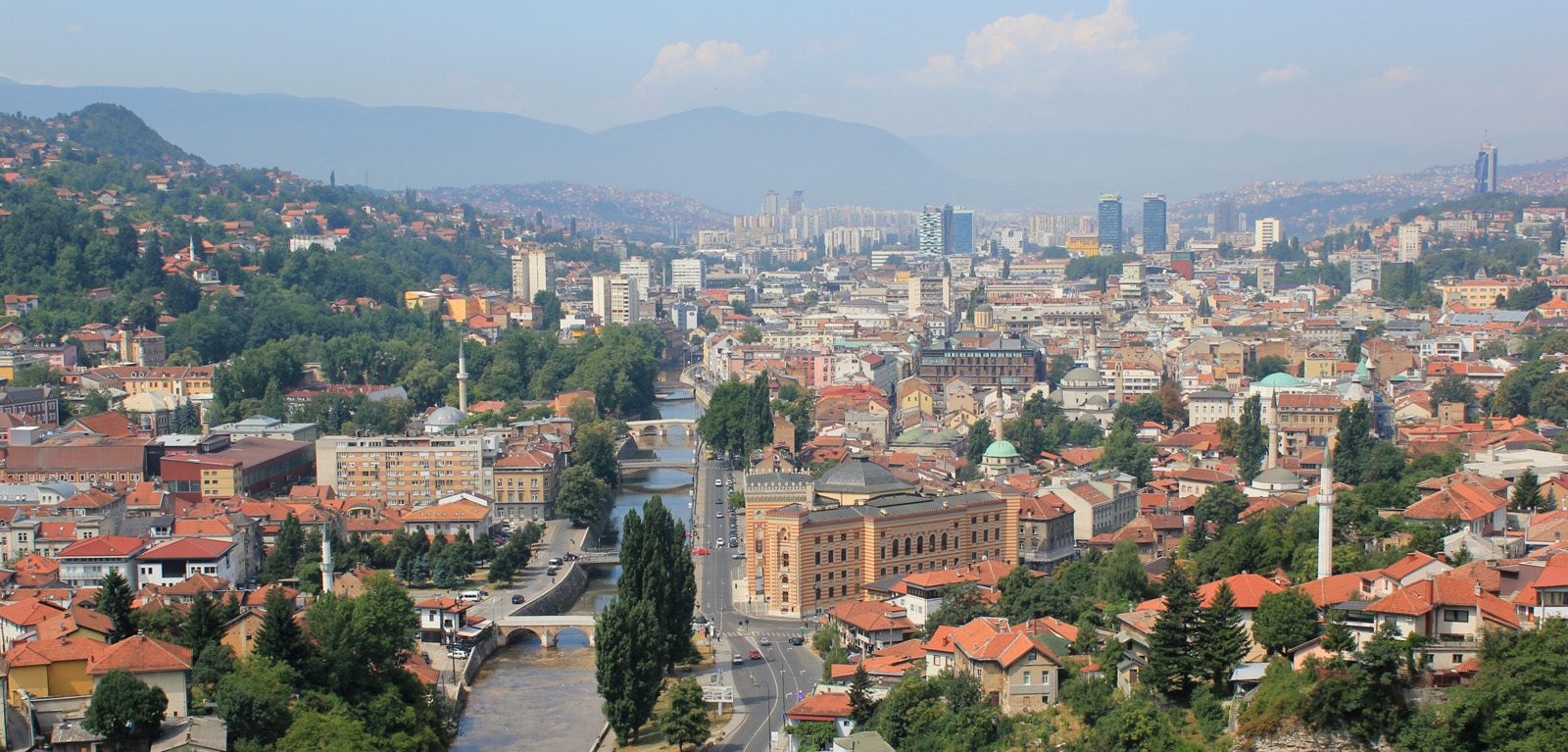
Bosnia and Herzegovina
Plus de mises à jour