Bekijk onze Kennisrepository en doe inspiratie op uit technische documenten, casestudy’s en benaderingen van klimaatactie die u kunt gebruiken ter ondersteuning van uw werk.
Je kunt ook je eigen bronnen en publicaties delen om de kennisuitwisseling voor iedereen te bevorderen.
Sluit je aan bij een groep om je klimaattransitie op een gerichte manier te verkennen.
Leg waardevolle contacten binnen onze gemeenschap en deel berichten op de sociale feed om in contact te blijven met anderen die duurzame veranderingen in hun gemeenschap tot stand brengen!
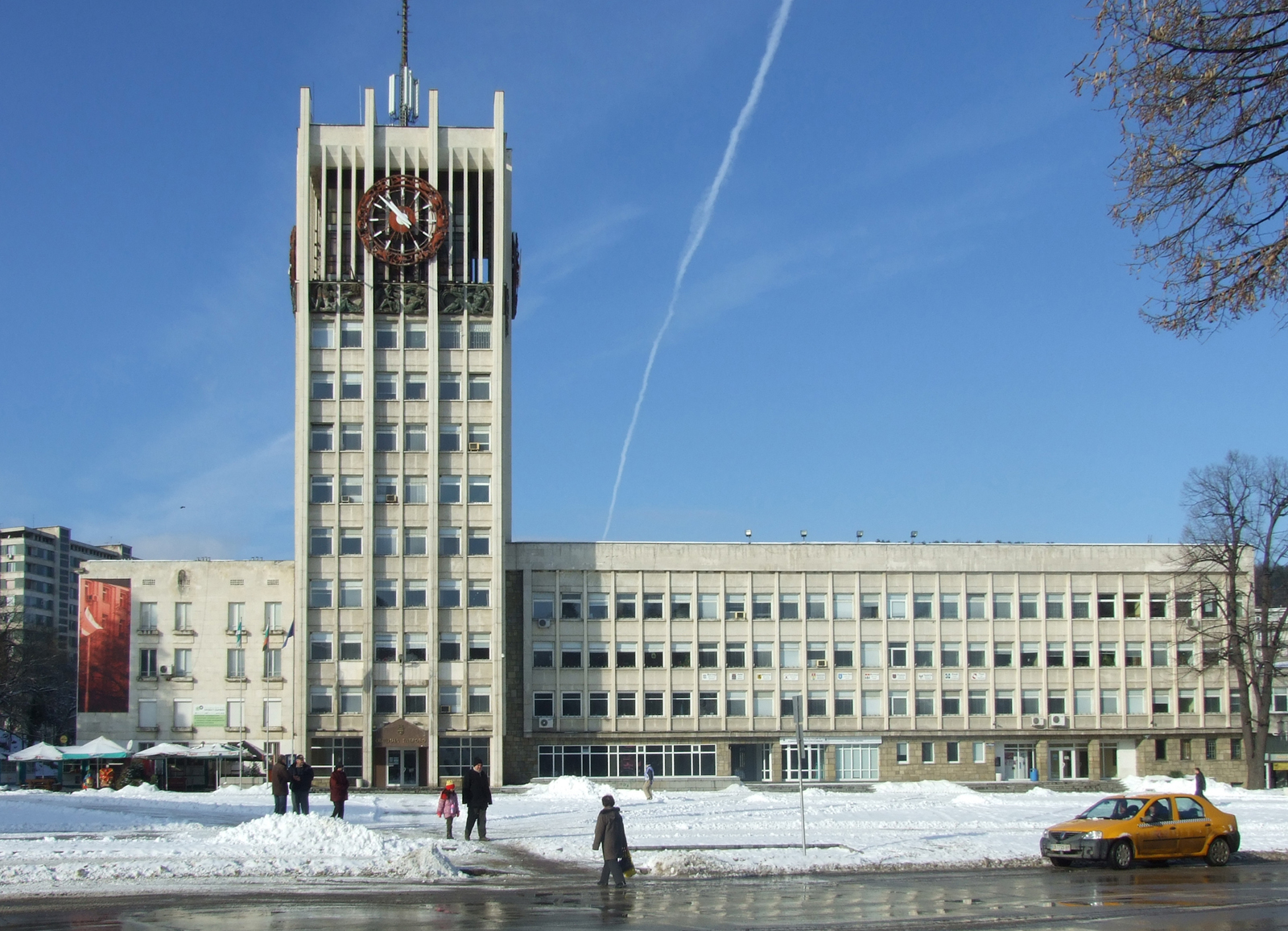
Gabrovo is a city located in North Central Bulgarian region, established in 1860. It is the administrative center of Gabrovo municipality and Gabrovo district, which includes 4 municipalities – Gabrovo, Sevlievo, Tryavna, and Drianovo. Gabrovo municipality has a population of about 64,000 people on a territory of 555 sq. km. with 1 city and 133 villages. The city of Gabrovo is situated at the foot of the central Balkan Mountains, in the valley of the Yantra River. Gabrovo is known as the longest city in Bulgaria, stretching over 25 km along the Yantra River. The geographic center of Bulgaria - Uzana - is located near the city. The territory of Gabrovo municipality is covered more than 50% by forests and it belongs to the important mountainous regions of Europe. Because of that Gabrovo is strongly affected by climate change and important solutions have to be taken to become climate-neutral.During the Bulgarian Revival period, Gabrovo, known as the “Bulgarian Manchester,” was home to the first Bulgarian secular school, Aprilov National School, founded in 1835. The city’s strong educational traditions fostered innovation and entrepreneurship. Figures like Ivan Berov, dubbed “the Japanese of the Balkans,” introduced electricity and other innovations, while Pencho Semov, known as the “Bulgarian Rockefeller,” showcased entrepreneurial talent in Gabrovo.Presently Gabrovo ranks second in Bulgaria in both economic and social development after Sofia – the Capital of Bulgaria. Gabrovo Province ranks fifth in GDP per capita, average income in the district is higher than the national average, and salaries have been rising steadily. The most important industrial sectors are mechatronics, robotics, electronics, machine building, CNC equipment manufacturing, plastics, and textile industry.Gabrovo, with over 3500 companies, prioritizes sustainable economic development through its Smart Specialization Strategy, which is focused on a circular economy. More than 50% of these companies are export-oriented and advanced innovators, and the city is actively working on creating carbon-neutral industrial zones in collaboration with the business community.Gabrovo faces significant climate-related challenges due to extreme weather events. Prolonged droughts followed by torrential rains and hail have caused severe damage to populations, farmers, businesses, and nature. Immediate and bold measures are crucial for Gabrovo to adapt to climate change. Recent data shows that the city’s average annual temperature has risen by 1.3°C since 1961, with doubled hot days (temperatures exceeding 30°C). Precipitation patterns have shifted, resulting in more intense rainfall and less snowfall. By 2100, projections indicate a potential 3.9°C temperature increase, quadrupling hot days, an 11% decrease in precipitation, and complete snow cover loss. Indeed, the impact of climate change is far-reaching, affecting various aspects of our lives. Higher temperatures, droughts, and extreme weather events strain water resources, disrupt ecosystems, and challenge infrastructure resilience. Gabrovo’s commitment to climate action is not only crucial for its well-being but also contributes to the broader goal of achieving climate neutrality within the European Union.
Germany's Pilot City Activity CoLAB – Committed to Local Climate Action Building
Background
The City of Gabrovo is recognised as a frontrunner in climate and energy initiatives in Bulgaria, having reduced CO2 emissions by 32.9% by